

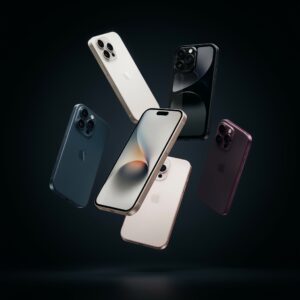

If you’re shopping for a new smartphone in 2026, there’s a good chance you’re comparing two of the biggest names in the market: Apple iPhone and Samsung Galaxy.
Both offer excellent cameras, fast performance, premium designs and long-term software support. But they take very different approaches to how a smartphone should work.
So which one should you buy?
The short answer is: there isn’t one winner for everyone.
The better choice depends on what matters most to you — camera quality, battery life, customization, simplicity, gaming, price, or the other devices you already use.
In this guide, we’ll break down the biggest differences between iPhone and Samsung to help you make a smarter buying decision.
iPhone vs Samsung: What’s the Difference?
Both iPhone and Samsung offer excellent smartphones, but the overall experience is quite different.
The biggest difference comes down to the software and ecosystem. iPhones use Apple’s iOS, while Samsung Galaxy phones use Android with Samsung’s own features and interface.
Apple focuses heavily on simplicity and integration between devices such as the iPhone, Mac, iPad, Apple Watch and AirPods.
Samsung gives users more customization and flexibility, while also offering its own ecosystem through Galaxy phones, tablets, watches and earbuds.
There isn’t necessarily a “better” choice. It depends on what you want from your phone.
1. Which Has the Better Camera?
Both iPhone and Samsung phones can take excellent photos. The difference is more about how you like your photos to look and how you use your camera.
iPhone
iPhones are popular with people who want consistent results without spending a lot of time adjusting camera settings.
They’re also a strong choice for video recording, social media and everyday content creation.
If you regularly record family videos, travel footage, social media content or everyday moments, an iPhone is a very capable option.
Samsung
Samsung Galaxy phones give you more flexibility, especially on higher-end models.
Samsung’s flagship Galaxy phones offer versatile camera systems, strong zoom capabilities and a wide range of camera features.
If you enjoy experimenting with different camera modes and settings, Samsung can be an excellent choice.
Camera winner?
iPhone: Great for simple, consistent photography and video.
Samsung: Great for flexibility, zoom and having more camera features to explore.
2. Which Has Better Battery Life?
Battery life depends heavily on the specific phone model, screen size, settings and how you use your device.
Both iPhone and Samsung have made major improvements in battery efficiency, and either can provide excellent battery life when you choose the right model.
If you spend hours watching videos, gaming, using GPS, taking photos or browsing social media, it’s important to compare the specific phones you’re considering rather than choosing based only on the brand.
A larger phone can also offer more battery capacity, although it may be heavier and less comfortable to carry.
Our advice: If battery life is one of your biggest priorities, compare the actual models and look at real-world battery performance rather than simply choosing iPhone or Samsung.
3. iPhone or Samsung for Performance?
For everyday tasks, both iPhone and Samsung smartphones offer plenty of performance.
Opening apps, browsing the web, watching videos, using social media and taking photos should feel smooth on a modern phone from either brand.
The differences become more noticeable depending on how you use your device.
Gaming
Both platforms offer excellent options for mobile gaming. If gaming is important to you, look beyond the brand and compare the processor, display refresh rate, cooling, battery life and storage of the specific phone.
Everyday Use
For everyday users, you probably don’t need the most powerful phone available. A mid-range or previous-generation flagship can provide more than enough performance for messaging, social media, streaming, photography and web browsing.
4. iPhone vs Samsung Software
This is one of the biggest differences between the two brands.
iPhones use Apple’s iOS, while Samsung Galaxy phones use Android with Samsung’s own interface and features.
iPhone: Simple and Familiar
iOS is designed around a straightforward and consistent user experience.
If you prefer a phone that feels simple and familiar without needing to spend much time changing settings, iPhone can be a great choice.
Apple also makes it easy to connect your iPhone with other products such as a Mac, iPad, Apple Watch and AirPods.
Samsung: More Customization
Samsung gives users more flexibility over how their phone looks and works.
Android allows you to customize your home screen, widgets, default apps and many other parts of the experience.
Samsung also adds its own features and tools, making Galaxy phones appealing to people who like having more control over their device.
Software Winner?
- Choose iPhone if you prefer simplicity and a consistent experience.
- Choose Samsung if you want customization and flexibility.
5. Which Has the Better Display?
Both companies offer excellent smartphone displays, especially on their higher-end models.
Samsung Galaxy phones are particularly well known for their bright, sharp AMOLED displays and smooth scrolling.
iPhones also offer excellent displays, especially on higher-end models.
For everyday use, either platform can provide a great viewing experience.
If you spend a lot of time watching YouTube, Netflix, TikTok or other video content, consider the specific phone’s screen size, brightness, resolution and refresh rate rather than choosing based only on the brand.
6. Which Is Easier to Use?
This comes down largely to personal preference.
iPhone
- Straightforward interface
- Consistent software experience
- Easy integration with Apple devices
- Simple settings
- Strong ecosystem
Samsung
- More customization
- Greater control over the interface
- Android flexibility
- Wide range of devices
- Samsung-specific features
Neither approach is automatically better. The right choice depends on how you prefer to use your phone.
7. What About Storage?
Storage is something you should think about before buying a phone, especially if you plan to keep it for several years.
If you mainly use your phone for messaging, social media, email, streaming and web browsing, you may not need a huge amount of storage.
However, photos, videos, games and downloaded content can quickly use up space.
How Much Storage Do You Need?
- 128GB: A good starting point for lighter users.
- 256GB: A great choice for many everyday users.
- 512GB or more: Better for heavy users, gamers and people who take lots of photos and videos.
Storage options vary depending on the specific model, so check the available configurations before purchasing.
8. What About Accessories?
Your choice between iPhone and Samsung can also influence which accessories you buy.
iPhone Accessories
- Protective cases
- Screen protectors
- USB-C charging cables
- Fast chargers
- Wireless chargers
- MagSafe-compatible accessories
- AirPods
Samsung Accessories
- Protective cases
- Screen protectors
- USB-C charging cables
- Fast chargers
- Wireless chargers
- Power banks
- Galaxy Buds
- Galaxy Watch
If you already own accessories from one ecosystem, staying with the same brand can sometimes save you money.
9. Which Is Better for Long-Term Use?
If you’re spending several hundred dollars on a smartphone, you probably want to use it for more than a year or two.
When comparing phones for long-term use, don’t look only at processor speed or camera specifications.
- Software support
- Battery health
- Storage capacity
- Physical durability
- Repair options
- Availability of accessories
- Warranty
- Resale value
A good case and screen protector can also make a difference. Taking care of your phone can help it stay in good condition for much longer.
10. What About Price?
You don’t necessarily need to buy the most expensive iPhone or Samsung Galaxy to get a great smartphone.
Both brands offer different models at different price points, so the best value often comes from choosing a phone that matches your actual needs.
For Canadian shoppers, it’s also worth looking at the total purchase price rather than focusing only on a monthly financing payment.
Consider:
- Outright price
- Financing cost
- Trade-in value
- Warranty
- Storage
- Accessories you’ll need
- How long you expect to keep the phone
A slightly more expensive phone can sometimes provide better value if you plan to keep it for several years.
So, Should You Buy an iPhone or Samsung?
Here’s the simple answer: both are excellent choices, but they’re designed for different types of users.
Choose iPhone if you:
- Prefer a simple and consistent interface
- Already use Apple products
- Care about video recording
- Want strong integration between devices
- Prefer Apple’s ecosystem
- Don’t need extensive customization
Choose Samsung if you:
- Prefer Android
- Want more customization
- Like having more control over your phone
- Want a wide range of features
- Value camera versatility
- Prefer Samsung’s ecosystem
- Want more flexibility
Our Verdict
So, iPhone vs Samsung — which one should you buy in 2026?
If you want a simple answer:
Choose iPhone if you value simplicity, Apple’s ecosystem and a straightforward user experience.
Choose Samsung if you value customization, flexibility and having more features to explore.
For most people, either brand can provide an excellent smartphone.
The most important thing is to choose the right model for your budget and your everyday needs, rather than simply buying the most expensive phone available.
Think about how you actually use your phone.
Do you take lots of photos?
Do you watch videos all day?
Do you play games?
Do you need lots of storage?
Do you already own an Apple Watch or Galaxy Watch?
Your answers will tell you much more about which phone is right for you than a specification sheet alone.